Concrete Steps & Stairs
Build safe, durable concrete steps and stairs that handle daily use and weather for decades.
Why Concrete Steps Matter
Steps and stairs are high-traffic areas that need to be safe, stable, and built to code. Every time you enter or leave your home, you use those steps. Guests use them. Delivery drivers use them. In wet weather, icy conditions, or when carrying groceries, good steps make all the difference between safe passage and a dangerous fall.
Concrete is the best material for exterior steps because it handles Pacific Northwest weather without rotting, warping, or becoming slippery when wet. Wood steps deteriorate quickly in our climate and require constant maintenance. Metal steps rust and become dangerously slick. Concrete steps, when built properly, last for decades with minimal upkeep.
Damaged or poorly built steps are liability issues waiting to happen. Cracked steps with uneven rises, missing handrails, or settled landings create trip hazards. If someone gets hurt on your property because your steps were not safe, you could face serious legal and financial consequences. That is why getting your steps right matters so much.
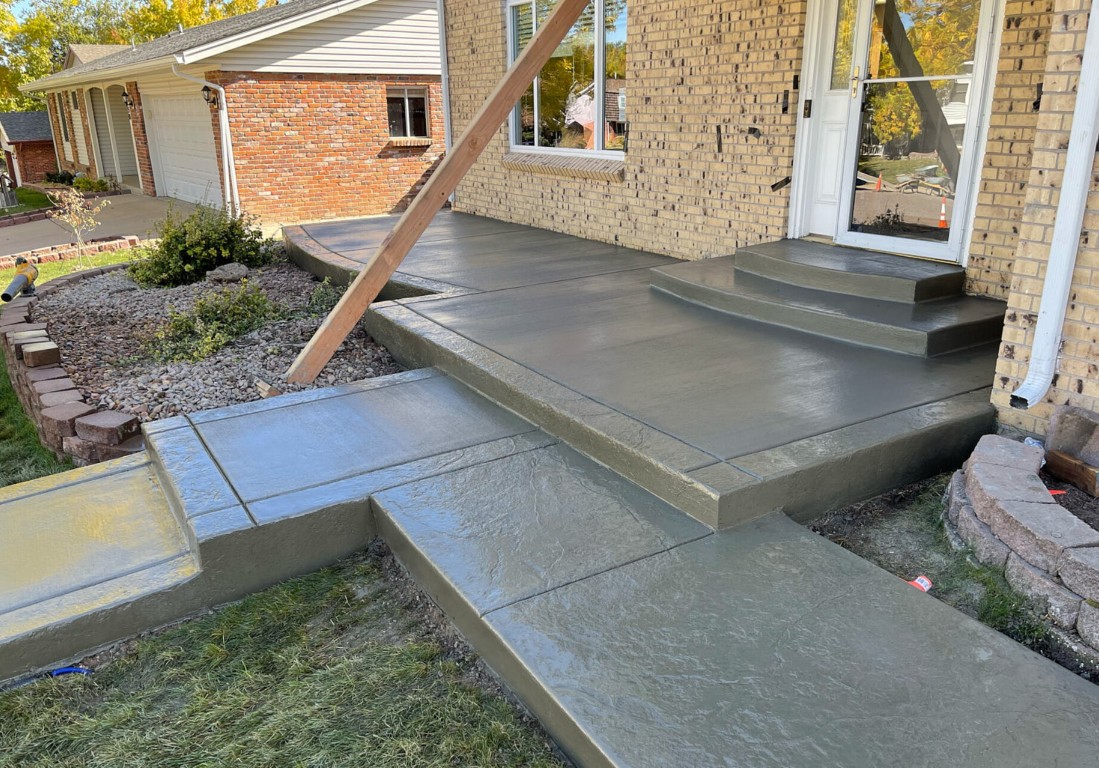
We have built and replaced concrete steps throughout Issaquah for homes, apartments, and businesses. When you work with our concrete step specialists, you get steps that meet building codes, provide safe traction, and last for decades. We know the exact specifications for riser heights, tread depths, handrails, and drainage that make steps both safe and durable.
Building Code Requirements for Steps
Building codes exist to keep people safe. Steps must follow specific rules about dimensions, handrails, and materials. These are not suggestions, they are legal requirements that inspectors check. Here are the key requirements we follow:
- Riser Height: The vertical part of each step must be between 4 and 7 inches high, and all risers in a flight must be within 3/8 inch of each other. Inconsistent riser heights cause trips.
- Tread Depth: The horizontal part where you step must be at least 10 inches deep for residential steps. Deeper treads are safer and more comfortable.
- Width: Steps must be at least 36 inches wide for residential use. Wider is better for moving furniture or if multiple people use the steps.
- Handrails: Required when you have four or more risers. Handrails must be between 34 and 38 inches high and able to support 200 pounds of force.
- Landings: Required at the top and bottom of stairs. Landings must be at least as wide as the stairs and at least 36 inches in the direction of travel.
We build every set of steps to meet or exceed these requirements. Inspectors review our work and sign off on it because we know what is required and do it right the first time. If your project includes other concrete work like a new walkway, we coordinate everything to meet code and flow together properly.
Design and Construction Process
Building concrete steps starts with measuring the total rise from bottom to top. This measurement determines how many steps you need and their exact dimensions. We calculate riser heights and tread depths that meet code and feel comfortable to use. Getting these calculations right is critical because even small errors multiply across multiple steps.
Foundation and Forms
Steps need a solid foundation just like any concrete structure. We excavate and pour footers below the frost line to prevent settlement and heaving. The forms that shape the steps must be built precisely because concrete shows every error. We use sturdy framing lumber and brace everything so nothing moves during the pour.
Reinforcement is essential for steps because they cantilever out and carry concentrated loads. We install rebar or wire mesh according to engineering specifications. For steps that attach to a foundation or porch, we drill and epoxy rebar into the existing structure to tie everything together.
Pouring and Finishing
We pour the concrete starting from the bottom and working up. Each tread needs to be level side to side but sloped slightly forward for drainage. The concrete must be worked thoroughly into all the corners and around the reinforcement. We float and trowel the treads smooth, then apply a broom finish or texture that provides traction when wet.
Edges are rounded slightly to prevent chipping and create a finished look. Control joints are cut where needed to manage cracking. After the concrete sets but before it fully hardens, we carefully strip the forms to reveal the finished steps.
Proper curing is especially important for steps because they will take a lot of use. We protect the fresh concrete and keep it moist during the curing period. Within a week or two, your new steps are ready for full use. If you also need repairs to existing concrete near your steps, we coordinate all the work together.
Common Questions About Concrete Steps
Ready to Build or Replace Your Steps?
Get a free estimate for your concrete steps project. We will ensure your steps are safe, code-compliant, and built to last.
Get Your Free Estimate