
Concrete Leveling
Fix sunken, uneven concrete without the cost and mess of full replacement using modern leveling techniques.
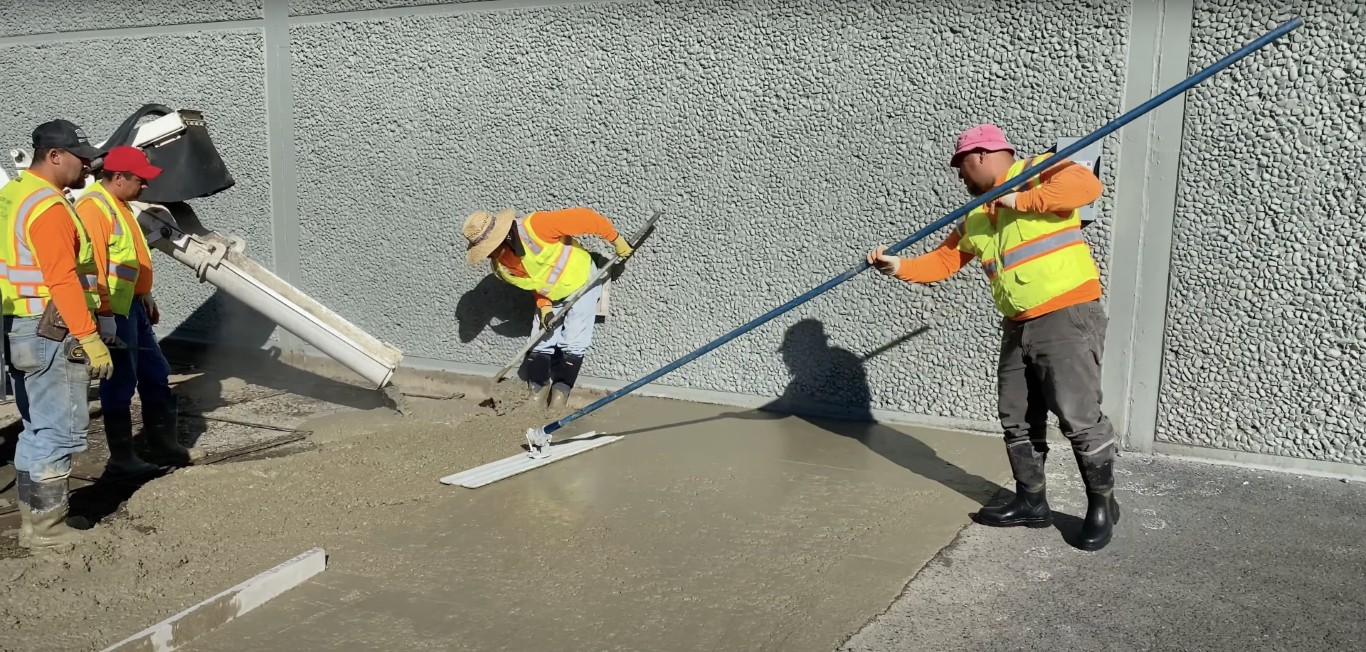
Why Concrete Sinks and How Leveling Fixes It
Concrete slabs sink when the soil underneath washes away, compacts, or erodes. This happens more often than you might think, especially in areas with heavy rain like Issaquah. Water finds its way under concrete through cracks and joints, slowly carrying away soil particles. Over time, voids form under the slab and gravity does the rest. The concrete sinks into the empty space.
Sunken concrete creates serious problems. Trip hazards form where slabs meet at different heights. Water pools instead of draining away, causing more erosion and making the problem worse. Your property looks neglected and its value suffers. If the sunken concrete is near your foundation, water can flow toward your house instead of away from it, leading to basement flooding and foundation damage.
Concrete leveling fixes these problems by lifting the sunken slab back to its original height. We inject material under the concrete that fills the voids and raises the slab. This process is faster, less expensive, and less disruptive than tearing out the old concrete and pouring new. In most cases, you can use the leveled concrete the same day we finish the work.
We have leveled concrete throughout the Issaquah area using proven techniques that last. When you work with our concrete leveling specialists, you get experienced crews who understand soil conditions, drainage issues, and the methods that produce lasting results.
Concrete Leveling Methods
Two main methods dominate the concrete leveling industry today. Both work well when done correctly, but they have different characteristics, costs, and applications.
Mudjacking
Mudjacking, also called slabjacking, pumps a mixture of water, soil, sand, and cement under the concrete. This mixture fills voids and lifts the slab as more material is pumped in. The process requires drilling holes about 2 inches in diameter through the concrete at strategic locations. After leveling, we patch the holes with concrete.
Mudjacking has been around for decades and works well for many applications. The materials are affordable and the process is straightforward. However, the slurry mixture is heavy, which means it can cause additional settling on weak soils. The large holes are visible after repair, though they blend in over time.
Polyurethane Foam Injection
Polyurethane foam injection is a newer technology that uses expanding foam instead of slurry. We drill smaller holes, typically 5/8 inch, and inject two-part polyurethane foam that expands and hardens in minutes. The foam is incredibly lightweight but strong, and it will not add weight to weak soils.
The advantages of foam include faster cure times, smaller injection holes, lighter weight, and water resistance. You can typically use the concrete within hours instead of days. The foam will not wash out or erode like some slurry mixes can. However, foam leveling costs more than traditional mudjacking.
We evaluate your specific situation and recommend the best method for your needs and budget. Both methods can successfully level driveways, sidewalks, patios, garage floors, and other concrete slabs.
What Concrete Can Be Leveled
Most sunken concrete can be leveled, but there are some limitations. The concrete needs to be structurally sound without major cracking or deterioration. If the slab is broken into multiple pieces or severely cracked, leveling may not be possible or effective. In those cases, replacement is the better option.
Here are the most common concrete leveling projects we handle:
- Driveways: Sunken driveway sections create trip hazards and water pooling. Leveling restores proper drainage and eliminates the hazards.
- Sidewalks and Walkways: Uneven sidewalk slabs are the number one cause of trip and fall injuries. Leveling makes walkways safe again.
- Patio Slabs: Sloped or sunken patios collect water and become unusable. Leveling restores the flat surface you need.
- Garage Floors: Settlement in garage floors creates uneven surfaces that affect door operation and vehicle parking.
- Pool Decks: Uneven pool decks are dangerous when wet. Leveling prevents trips and improves water drainage away from the pool.
- Steps and Stoops: Settled steps create dangerous height differences. Leveling brings them back to safe specifications.
The amount of lift possible depends on several factors including slab thickness, soil conditions, and how the slab is supported. Most slabs can be lifted 2 to 4 inches. Larger lifts are sometimes possible but require careful evaluation.
Common Questions About Concrete Leveling
Ready to Level Your Concrete?
Get a free estimate for concrete leveling. We will evaluate your sunken concrete and recommend the best solution.
Get Your Free Estimate